Lalibela
Day 1 (26Dec) KLIA : Meet KLIA take ET639 at 1115PM for midnight flight (Note : transit at Singapore 1hr25m). O/N Plane
Day 2 (27Dec) Addis Ababa: Arrived ADD at 0610AM in morning. City tour of capital including National Museum, Ethnological Museum. Drive to Merkato, the largest open-air market in East Africa. O/N Addis Ababa.
Addis Ababa (the name means 'new flower'), the Ethiopian capital, is a delightful place to explore. City tour of the capital including the National museum where will visit the cast of 3.2 million years old "Lucy" and different historical monuments. Continue the city tour at the Ethnological Museum which was the palace of his majesty Emperor Haile Selassie, this museum provides an overview of Ethiopian crafts, culture and art. Finally drive to Merkato, the largest open-air market in East Africa. Check in hotel. O/N Addis Ababa
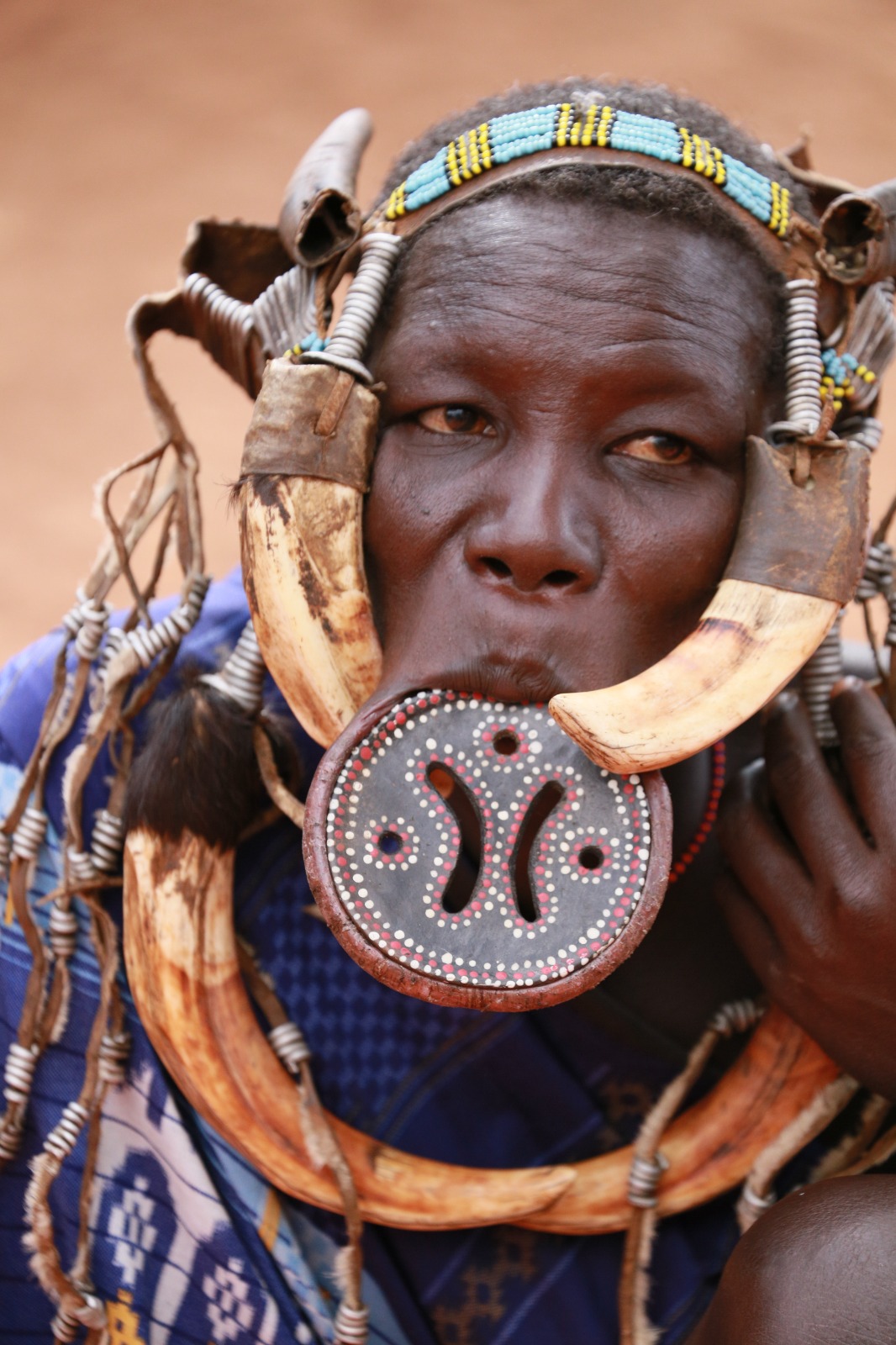
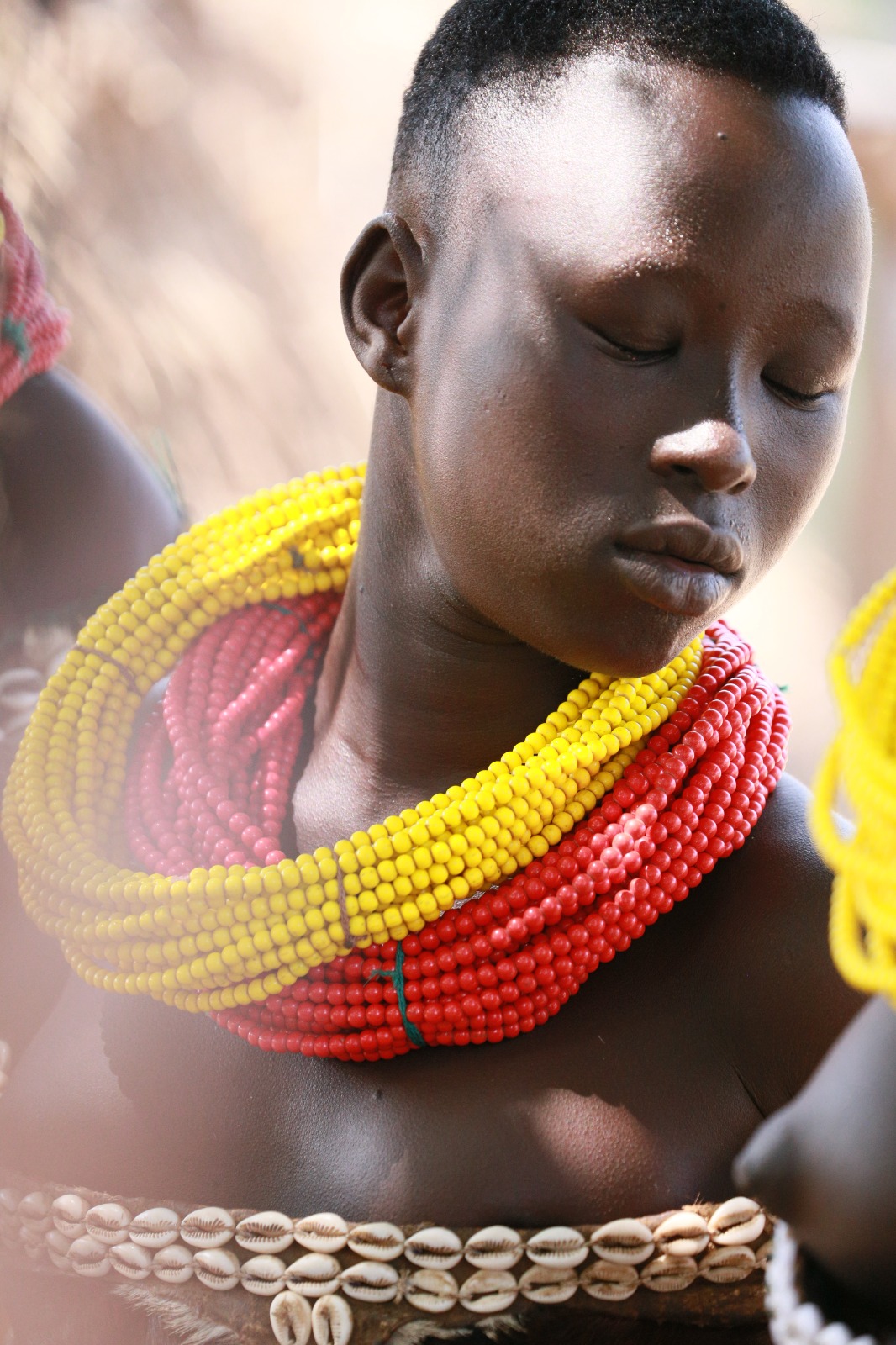
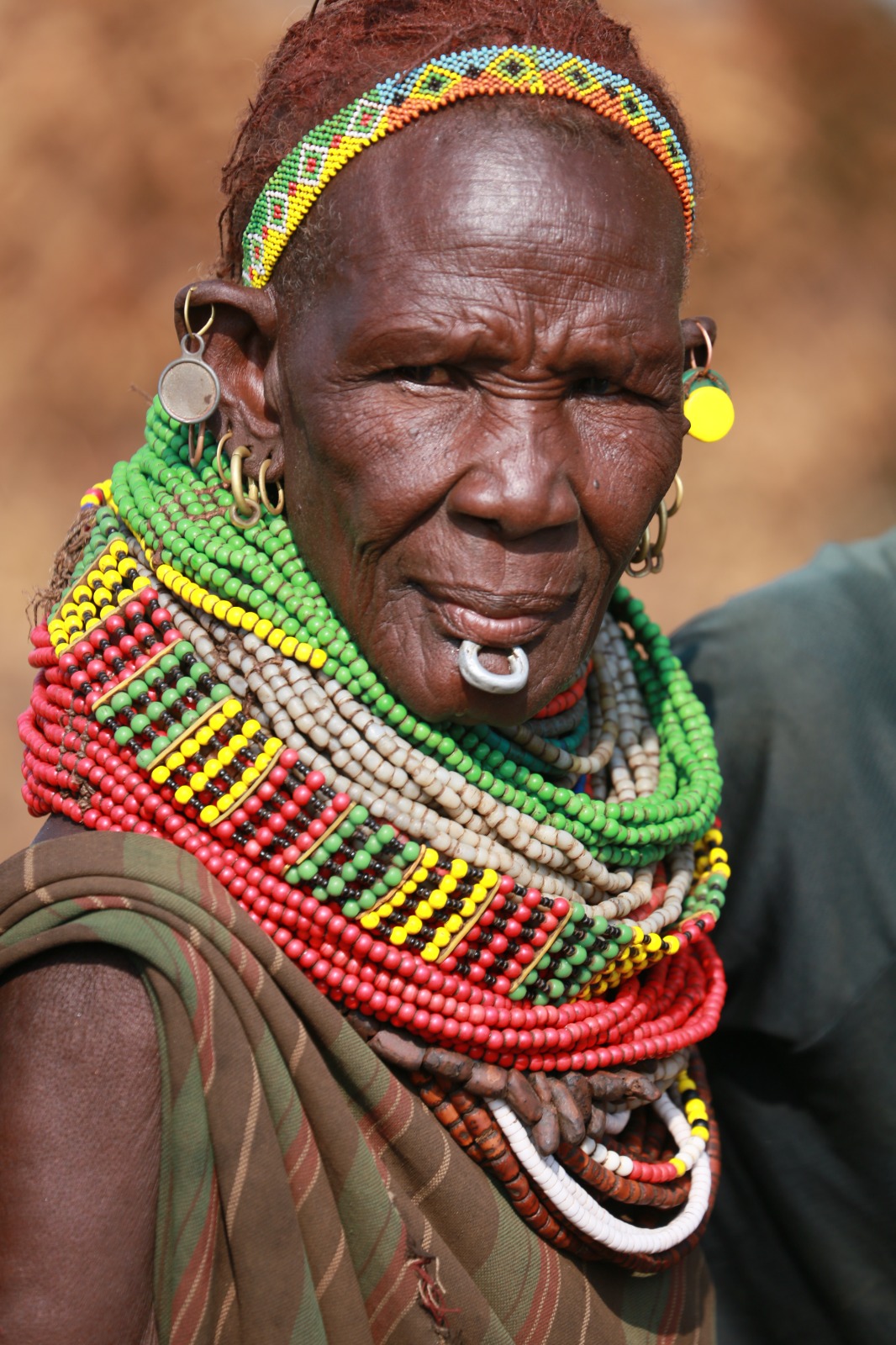
Day 3 (28Dec) Addis Ababa -Jinka (Flight) : Fly Addis Ababa to Jinka. Today we fly to Jinka, up on arrival we will be driving to the villages of the Mursi people settled around Keyafer market. Arrange a visit to the Mursi villages. Mursi men are renowned warriors, and whose women are famous for the lip plates which is highly considered as sign of beauty. The Mursi live in the dry season on the western slopes of the Omo and grow Sorghum, corn and vegetables, they spend the rainy season, with their cattle herds in the Tama steppe. In addition, they depend on hunting and fishing.
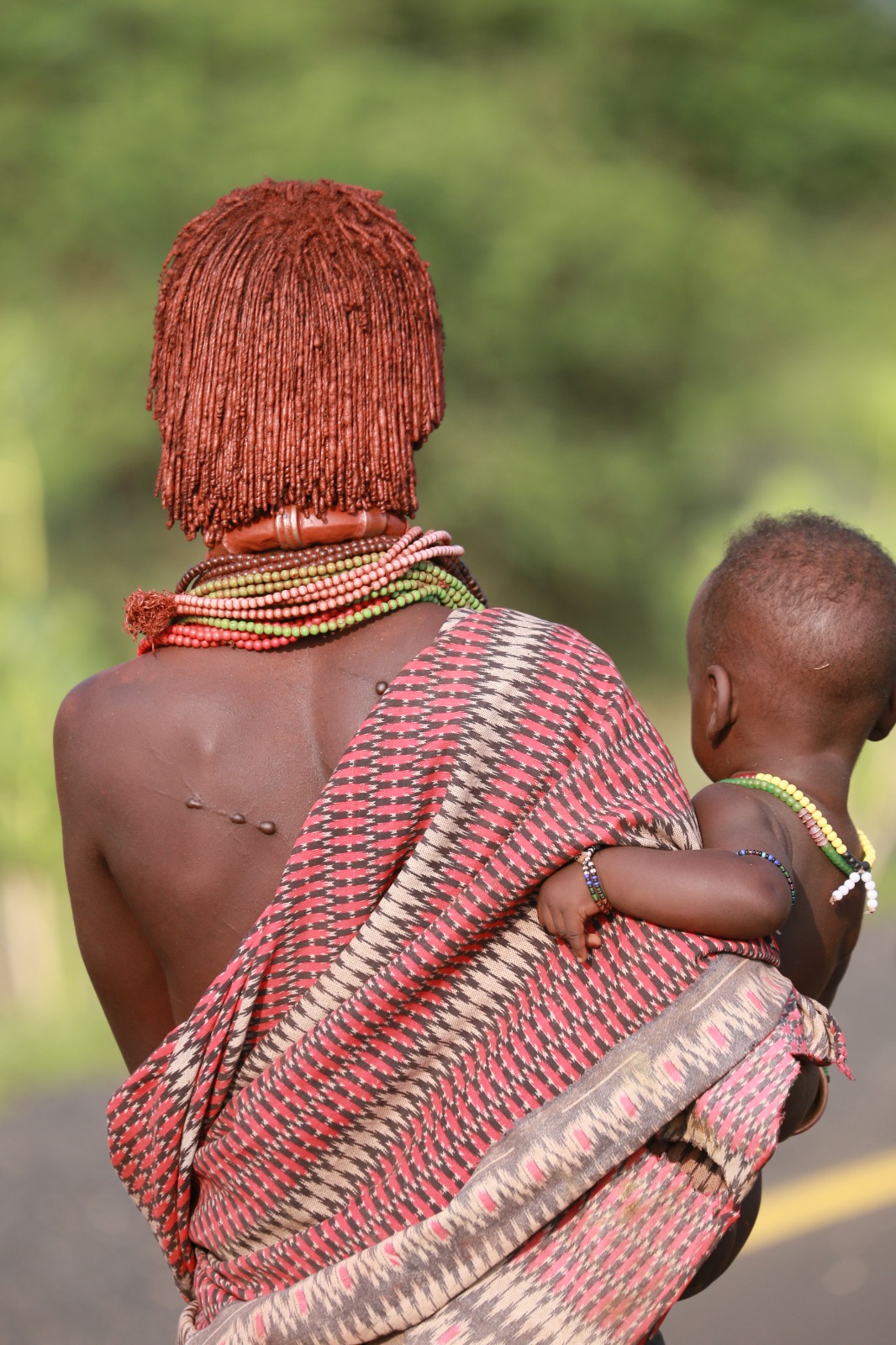
After the visit of the Mursi we head to Turmi, and we stop in a nice village of the Hammer tribes, also well known as the Hamar or Hammer, they are one of the most known tribes in Southern Ethiopia. They inhabit the territory east of the Omo River and have villages in Turmi and Dimeka. They inhabit the territory east of the Omo River and have villages in Turmi and Dimeka. Tourists visit the Hamer hoping to see a traditional leaping ceremony (the jumping of bulls). They are cattle herders and practice agriculture. Very colorful bracelets and beads are worn in their hair and around their waists and arms. [Optional: - If there is jumping of the Bulls (traditional Hamer coming-of-age) ceremony that will be visited when arriving at Turmi. Payment for this optional visit will be covered by tourists. This activity (Bull Jumping) is a seasonal activity and is rare to find, hence is taken as an optional in the program] O/N Turmi
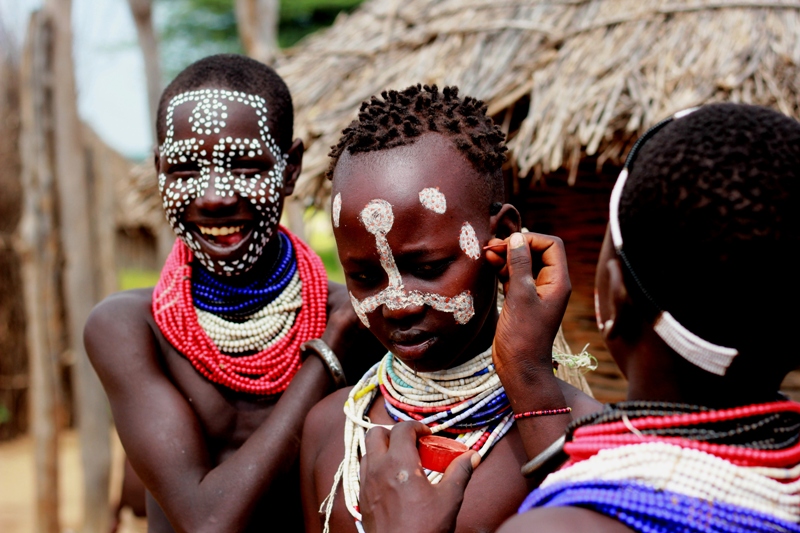
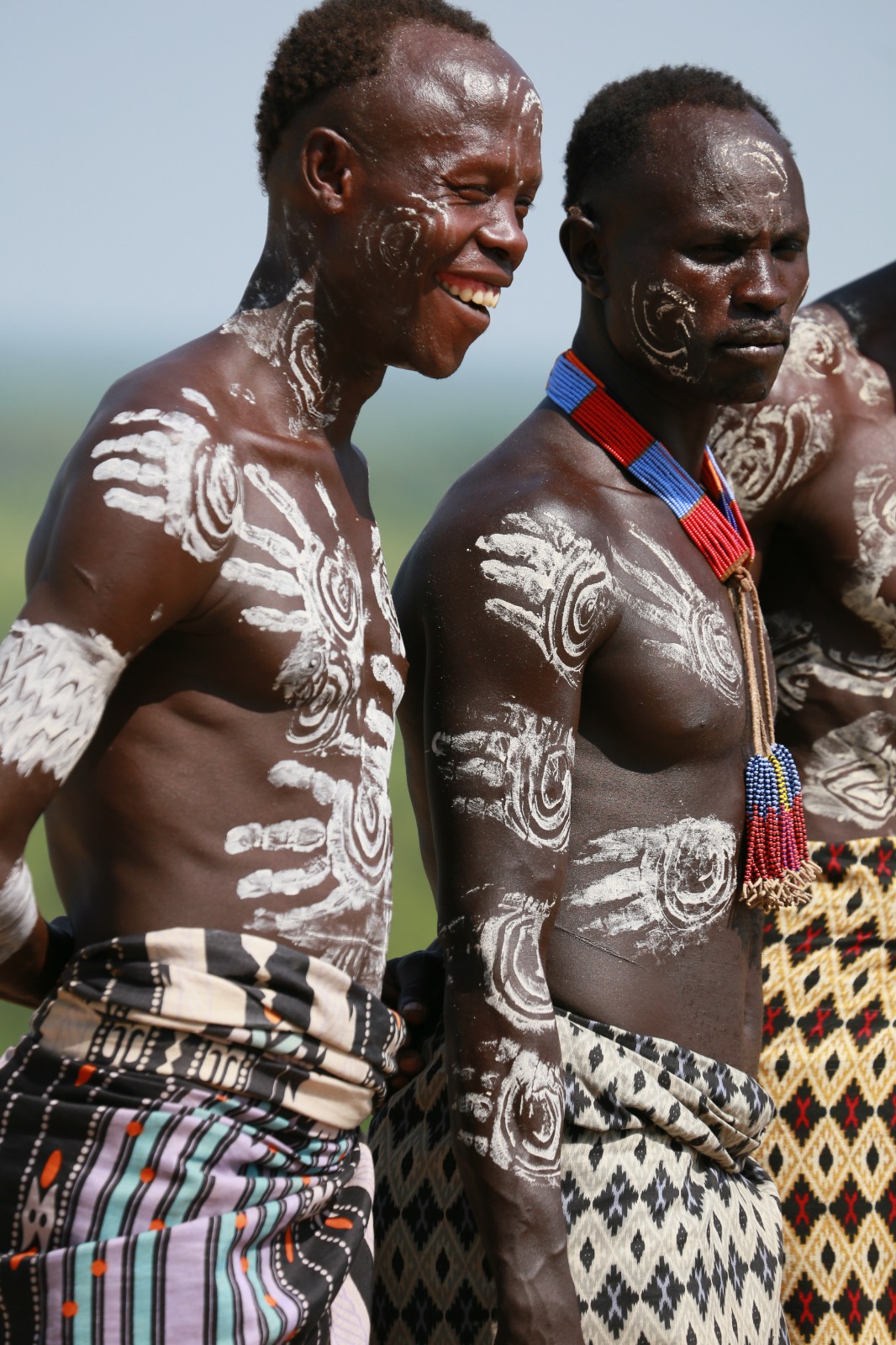
Day 4 (29Dec) Turmi -Karo-Gnangatom-Turmi 150km) : In the morning visit small ethnic group on the Omo River called Karo. Particularly impressive from Karo are their body paintings and decorations scars. The Karo Tribe is the smallest tribe in the Omo Valley, South Ethiopia, and resides along the banks of the Omo River. The Karo people differentiate themselves from many of the neighboring tribes by excelling specifically in body and face painting. They paint themselves daily with colored ochre, white chalk, yellow mineral rock, charcoal, and pulverized iron ore, all natural resources local to the area. Along the way after visiting Karo we stop at the villages of the Gnangatom people along the west bank of the southern Omo River, the Nyangatom practice agriculture, growing sorghum, maize, beans, and tobacco. They also fish in the Omo River. It’s likely that these tribes-people live here because at some point they lost their cattle. It is impossible to raise livestock along this section of the Omo River because of the Tsetse fly. The rest of the Nyangatom live a more semi-nomadic pastoralist lifestyle, moving with their herds throughout southwestern Ethiopia, the Elemi Triangle, and the Toposa lands of neighboring Sudan. O/N Turmi.
Day 5 (30Dec) Turmi - Konso-Arbaminch: Today drive from Turmi to Konso; after having lunch in Konso we arrange a visit to one of the Konso people villages. Visit one nice village of Konso. Stop to visit the villages of Konso people. The Konso are famous for their old and unique terracing, unusual engraved wooden statues of Konso grave markers. The consolidation created a unique cultural landscape by terracing the hill slopes to the intensive cultivation and irrigation of crops. The unusual interaction between man and nature, was honored in June 2011 with the appointment as a UNESCO World Heritage Site.
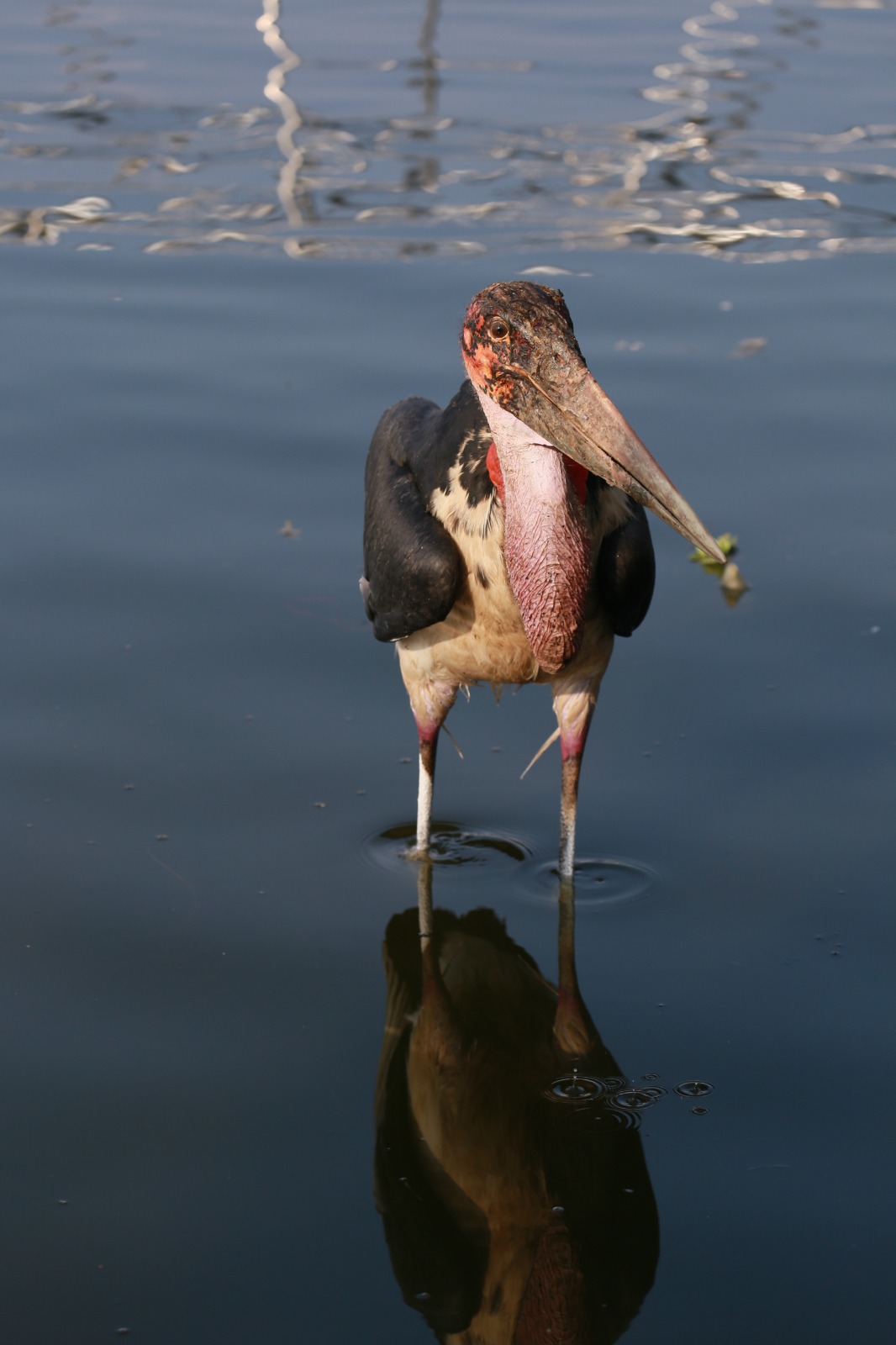
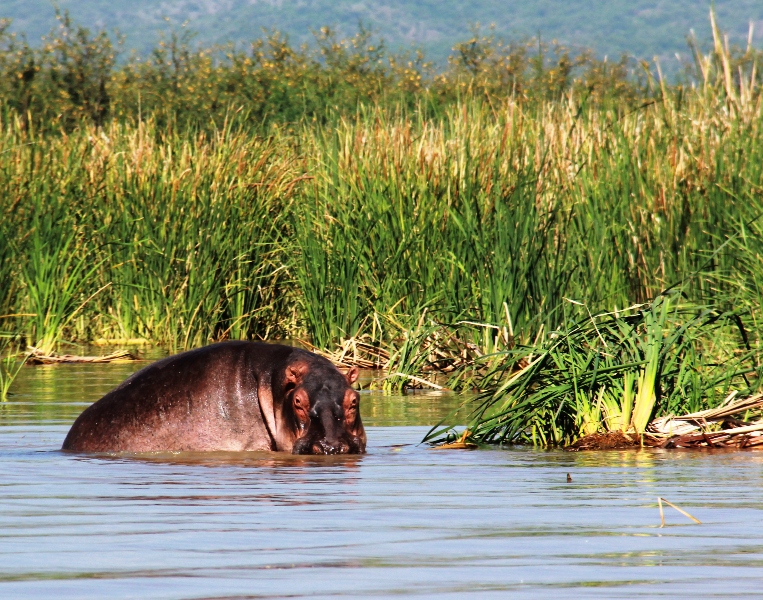
We proceed further North to Arbaminch. Arba Minch, the city of forty springs', the gateway to the indigenous people and the largest trading center in the south. When we arrive at Arbaminch directly head to Nechisar National Park, Lake Chamo. On our boat excursion on Lake Chamo, we visit the crocodile market to see the biggest African crocodiles, hippopotamus as well as beautiful aquatic birds including the lovely Kingfisher and Fish Eagle. The Lake Chamo is part of the Nechisar National Park, the name Nechisar means "white grasses" and refers to the central grassy plain which was established as a sanctuary for the endemic Swayne Hartebeest, an endangered sub-species throughout Ethiopia. Other wildlife in the park includes hippo, zebra, crocodile and different kinds of birds. Transfer to your hotel. O/N Arbaminch
Gondar
Day 6 (31Dec) Arbaminch -Hawassa :
A scenic drive through the rift valley lakes region takes you to Hawassa. On a short drive from Arbaminch (30 Kms), we will stop at the hills of Chencha to experience the fascinating culture & unique life style of the people in the South Ethiopia people’s region. Chencha village, is the home of the Dorze people, the renowned weavers having unique bamboo woven houses having 8 to 12 meters height. Popularly known as Ethiopia’s expert weavers and renowned builders of towering huts, the Dorze people are a small Omotic-speaking ethnic group belonging to the larger Afro-Asiatic language family living in the Gamo highlands of the southern region of Ethiopia. They are among the liveliest ethnic group of the famous Omo Valley tribe. Upon finishing our visit at the Dorze hills we descend down to the main road to head to Hawassa. O/N Hawassa
Day 7 (01Jan) Lake Hawassa-ADD : Morning visit fish market at Lake Hawassa and drive via Ziway to Addis Ababa.
Spend a relaxing leisure morning visit the fish market at lake Hawassa. Lake Hawassa is in the Great Rift Valley’s system that crosses Ethiopia from North East to South West, this part of the rift is marked by a chain of seven lakes fed by many rivers. These lakes have their own special life and character and provide ideal habitats for a variety of flora and fauna which makes the region such a delight for naturalists and tourists. One can visit Lakes Ziway, Langano, Abijata and Shala before returning to Addis.
Enroute to Addis we will have a stop at Bishoftu crater lake in Debre Zeit for a quick lunch, then drive back to Addis Ababa. O/N Hotel in Addis
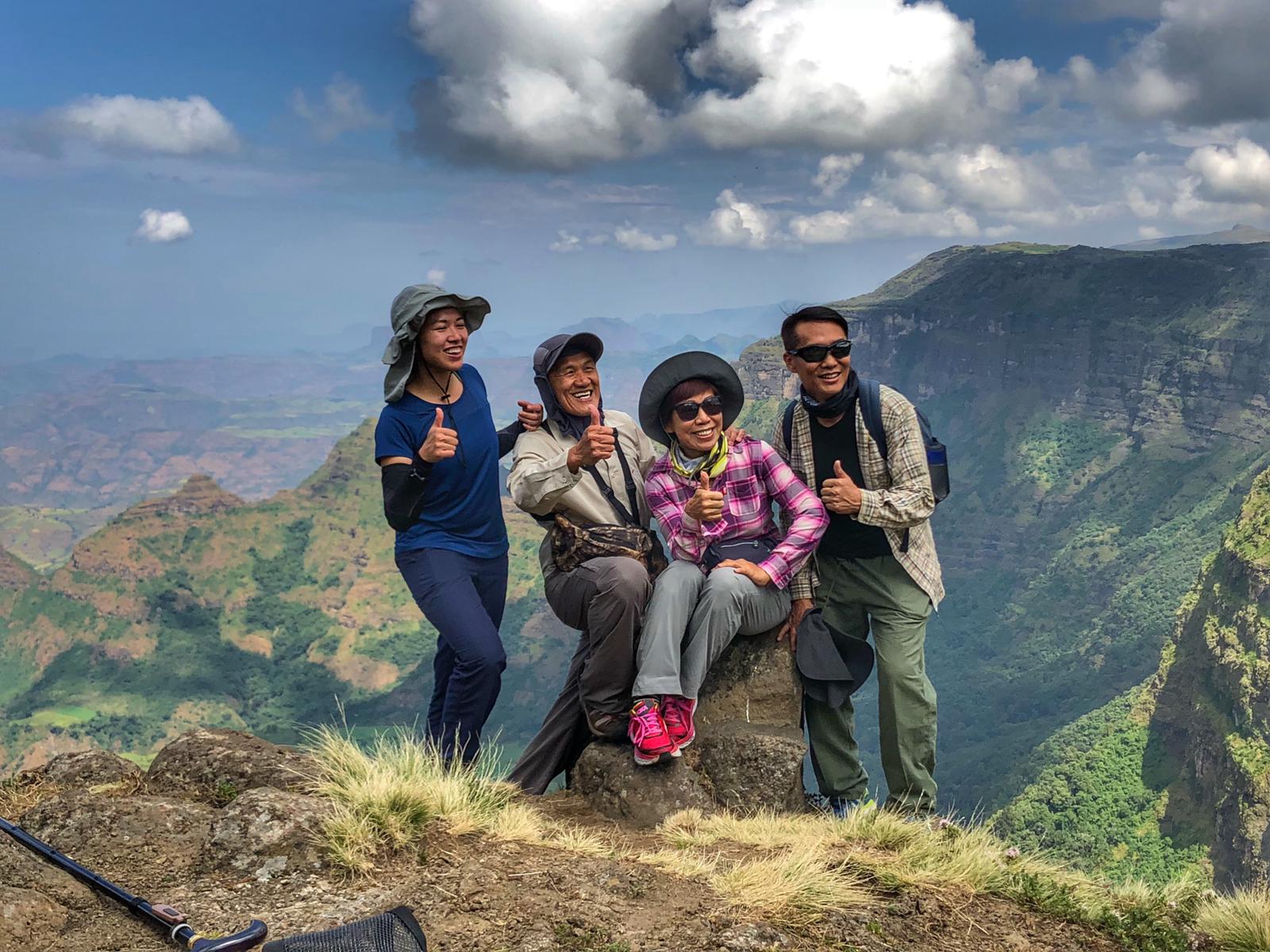
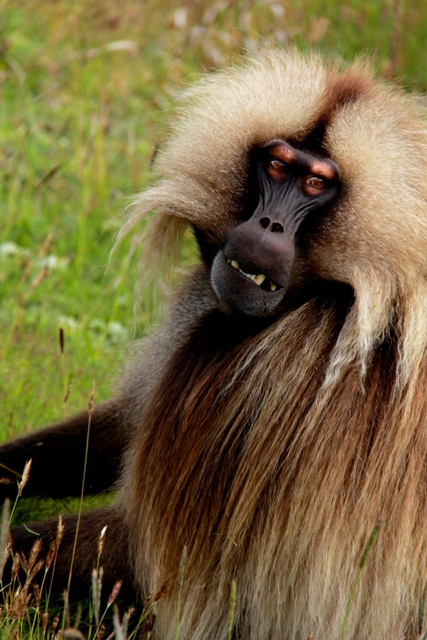
Simien National Park//Gelada Baboon
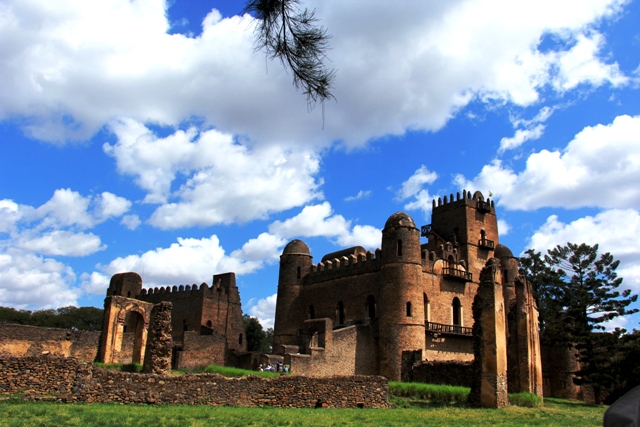
Day 8 (02Jan) ADD-Gondar (Flight) : Drive to Simiens National Park: Fly Addis Ababa to Gondar (ET 126; 07:10 – 08:20). Towards Gonder town for a short coffee break. We depart from the historical town of Gondar and drive around 2.5 hours on a tarred, comfortable road to Debark where we get permission to enter Semien Mountains National Park (UNESCO World Heritage. After a lunch break in Debark, we then drive 22km further to the Simien Lodge, within the national park. From here we walk about 2 or 3 hours, stopping often to admire the amazing views of the escarpment, take photos and see the friendly gelada baboons. We will also see a variety of plants and flowers. After a relaxed hiking and visit at Simien Mountains, drive back to Debark for the night stay. O/N Debark